


At the core of restorative justice is the recognition that harm has been done, and the focus is on repairing that harm rather than simply punishing the offender. This involves acknowledging the impact on individuals and the community and working toward meaningful solutions to restore trust and balance.
Table of Contents
Discover how restorative justice fosters healing and accountability by empowering communities to build more supportive and inclusive environments.
Defining Restorative Justice & Practices
Restorative Justice (RJ) is a communal approach to prevent or respond to harm that is increasingly transforming all types of settings. Initially rooted in indigenous and religious traditions, restorative justice entails a comprehensive view of justice that goes beyond punishment; it focuses on healing, ensuring social support, and promoting active accountability.
These aspects contribute to a sense of community ownership and participation in addressing harm and ensuring justice, thereby fostering a climate of cooperation, respect, and mutual understanding.
01
Restorative Justice: What it is and Why it Matters Today
Conflict and harm are inevitable in any community, but how we address them shapes the strength of our relationships and social fabric. Restorative justice offers a constructive alternative to punitive responses by fostering open dialogue, accountability, and healing.
Rather than focusing solely on punishment, restorative practices bring together those affected—individuals, families, and communities—to collectively address harm, repair relationships, and prevent future conflicts. This approach not only promotes understanding but also strengthens trust and resilience, ensuring a more just and connected society.
What is Restorative Justice?
Why Restorative Justice Matters
.jpg)
.jpg)
What is Restorative Justice?
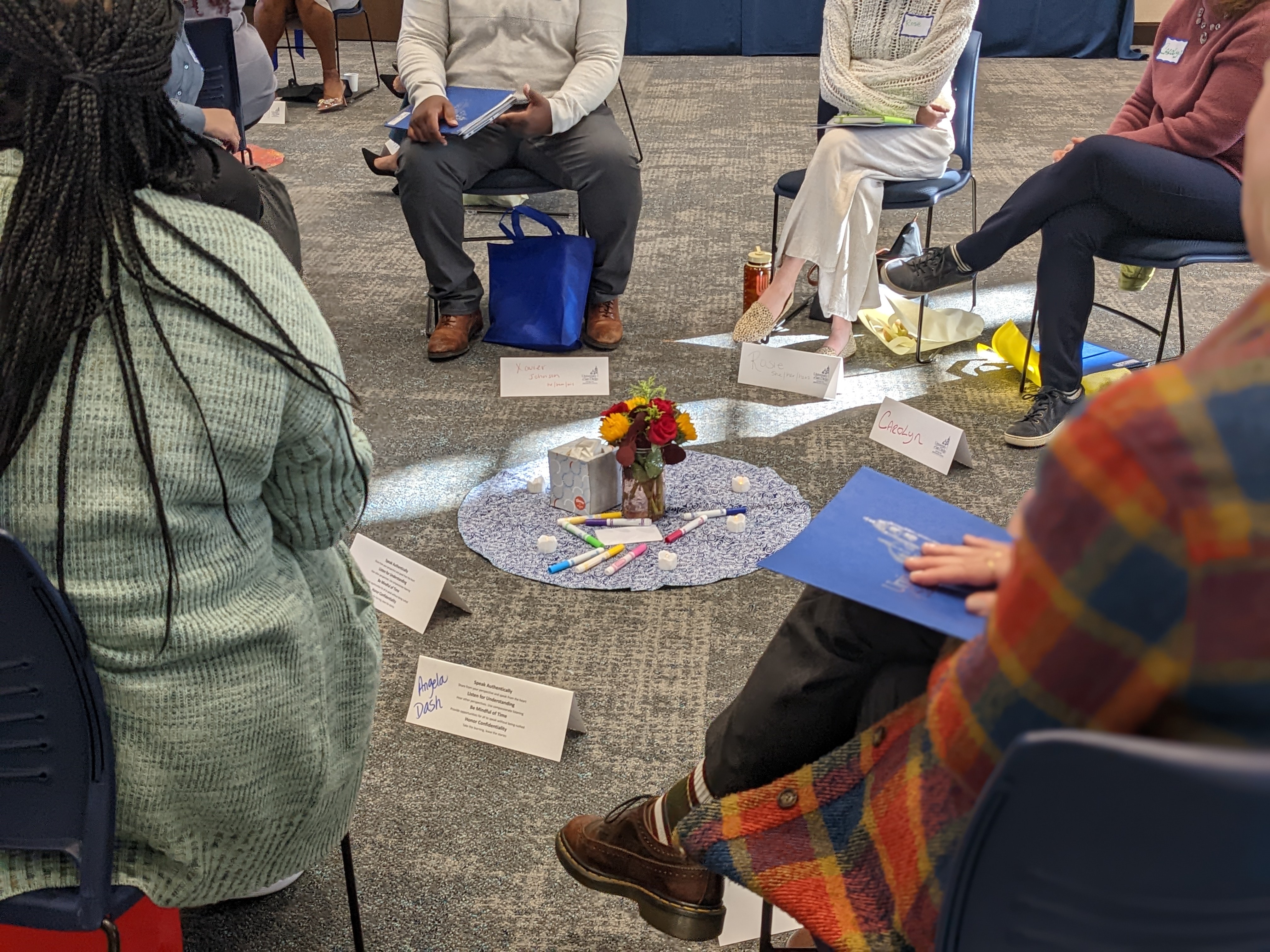
Restorative justice is a philosophy and practice centered on repairing harm, fostering accountability, and rebuilding relationships by prioritizing healing over punishment. It brings together victims, offenders, and the broader community to engage in meaningful dialogue, acknowledge harm, and work toward resolution. This approach emphasizes accountability by encouraging individuals responsible for harm to take ownership of their actions and actively contribute to making amends. It also ensures healing for all parties, allowing victims to express their needs and receive support while helping offenders understand the negative impact of their behavior.
By addressing the root causes of conflict and harm, restorative practices help prevent future offenses, creating safer and more supportive environments.
Why Restorative Justice Matters
Restorative justice is a transformative approach that reduces recidivism by helping individuals understand the consequences of their actions, making them less likely to reoffend. It empowers victims by giving them a voice in the justice process, allowing them to seek closure in a supportive environment. By fostering communication, empathy, and conflict resolution, restorative justice strengthens communities, building trust and cohesion.
Restorative justice practices can actually be a cost-effective alternative to punitive systems, alleviating the burden on legal and correctional institutions. More than just a method of resolving conflict, restorative justice is a mindset that promotes a more compassionate, fair, and inclusive society, creating lasting change across schools, workplaces, criminal justice systems, and communities.
02
Two Examples of Restorative Justice
Example of Restorative Justice in Criminal Justice
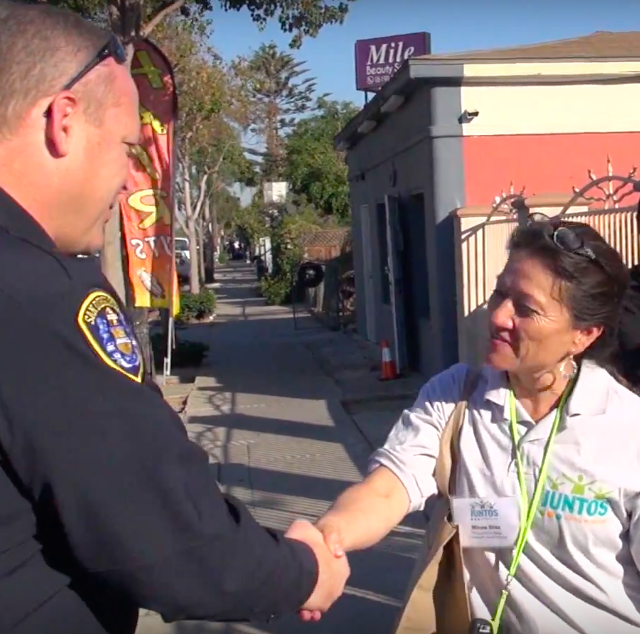
In cases of non-violent crime, such as theft or vandalism, restorative justice programs often facilitate a mediated conversation between the victim and the offender. With the help of a trained mediator, the victim can express how the crime affected them, while the offender has the opportunity to take responsibility, apologize, and offer restitution. This process helps repair harm, fosters accountability, and often leads to reduced recidivism by making the consequences of the offender’s actions more personal and meaningful.

Example of Restorative Justice in Education
Instead of traditional suspensions or expulsions, some schools use restorative practices to address conflicts between students. For example, if a student bullies a classmate, a restorative circle may be held involving the students, teachers, and possibly parents. The offending student listens to how their actions caused harm to others and works with the group to find a way to make amends—whether through an apology, community service, or another meaningful action that heals while providing justice and positive peace. This approach helps resolve conflicts constructively while reinforcing empathy and accountability.
"Restorative justice is a way to prevent or respond to harm in a community with an emphasis on healing, social support and active accountability. It includes a variety of practices with many rooted in indigenous and religious traditions. Some practices help prevent harm by helping people build relationships and strengthen communities. Other practices respond to harm by helping to identify harms, needs, and solutions through an inclusive and collaborative decision-making process."
— David Karp, Ph.D., Co-Director of The Center For Restorative Justice at the University of San Diego
University of San Diego's
MA in Restorative Justice Facilitation & Leadership
The Master of Arts in Restorative Justice Facilitation and Leadership (MARJ) program provides students with the comprehensive knowledge and practical skills needed to lead and facilitate restorative justice processes across various settings, including education, nonprofits, and the criminal justice system. Grounded in principles of healing, accountability, and community engagement, the program trains students to design, implement, and evaluate restorative justice initiatives that prevent harm, address misconduct, and strengthen relationships. Graduates emerge as skilled facilitators capable of fostering meaningful dialogue, repairing harm, and building more just and resilient communities.
5 Essential Pillars to Restorative Justice
-
-
Restorative justice actively involves all parties affected by harm—victims, offenders, and the community. Rather than decisions being made solely by an authority figure, those impacted have a voice in determining the best path toward healing and resolution.
-
Offenders are encouraged to take responsibility for their actions, understand the consequences of their behavior, and make amends in a way that is meaningful to those they harmed. This process helps foster personal growth and prevents future harm.
-
Open and honest communication is central to restorative justice. Through structured conversations, such as restorative circles or victim-offender mediation, those affected can share their experiences, express their needs, and work together toward resolution.
-
Since harm affects not just individuals but entire communities, restorative justice seeks to mend relationships and restore social harmony. By fostering empathy, trust, and reconciliation, it helps prevent future conflicts and strengthens the overall community.
03
Restorative Justice Training & Research
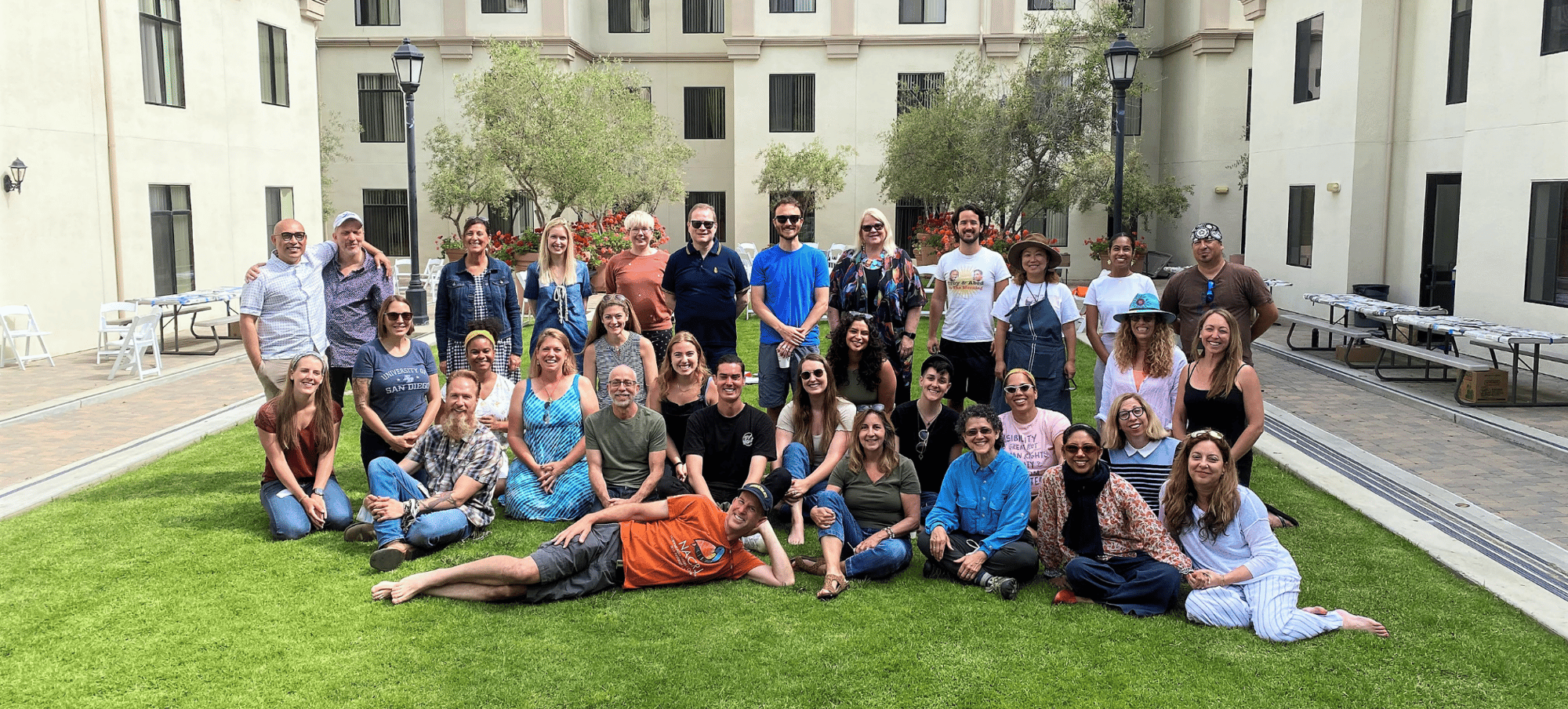
The University of San Diego's Center for Restorative Justice prepares the next generation of diverse restorative justice leaders and provides research, training, and consultation in needs and projects within and beyond higher education. Through research-driven practices, hands-on training, and expert consultation, the Center for Restorative Justice empowers professionals and community leaders to facilitate meaningful dialogue, address systemic injustices, and create sustainable solutions that prioritize healing over punishment. The Center for Restorative Justice's programs contribute to stronger, more resilient institutions that embrace collaboration, empathy, and long-term social change by embedding restorative justice principles into education, law enforcement, and organizational leadership.
.jpg?width=800&height=600&name=MARJ%20Group%20Photo%201%20(1).jpg)
04
Implement Restorative Practices in Life
Equip yourself with the skills needed to foster understanding and unity, contributing to a culture of empathy and growth in your community.
The Center for Restorative Justice
As a global social movement, restorative justice has significance across K-12 schools, higher education institutions, workplaces, community organizations, and criminal justice agencies; our Center for Restorative Justice prepares restorative justice leaders who create change within their organizations.
Master of Arts in Restorative Justice Facilitation & Leadership
The Master’s in Restorative Justice at the University of San Diego is designed to create leaders adept in restorative practices. The program combines the theoretical foundations of restorative justice while instilling practical skills for real-world application, allowing you to engage with the curriculum in a meaningful way.